In spring, nature reaches its peak bloom, offering bees an abundance of nectar gathered from forests, wild flowers, hawthorn trees, and delicate acacia blossoms, collecting it from thousands of flowers every single day, and transforming it into one of nature’s purest foods. May brings ideal weather conditions for bees to work intensively from sunrise to sunset, marking the beginning of one of the most important periods in beekeeping — the first month of the year dedicated to extracting natural hawthorn and acacia honey.
During this period, bee colonies in the hives should be monitored every week to check whether they are missing anything or if they are strong enough for the nectar flow – swarming is prevented and the presence of the bee queen in the hive is properly ensured.
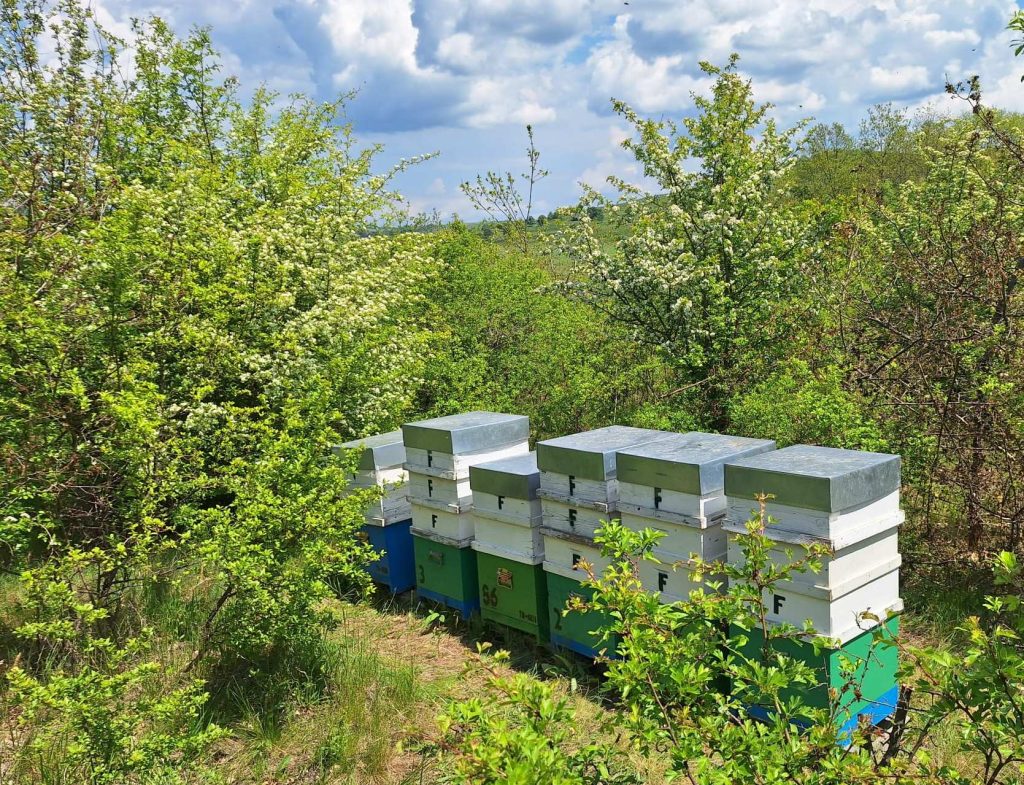
Natural hawthorn and acacia honey harvested in May reflects the extraordinary collaboration between bees and nature. Acacia honey is highly appreciated for its light color, fine aroma, and smooth taste, being considered one of the finest types of honey. Hawthorn honey, on the other hand, is valued for its rich floral character and traditional reputation for supporting overall wellness.
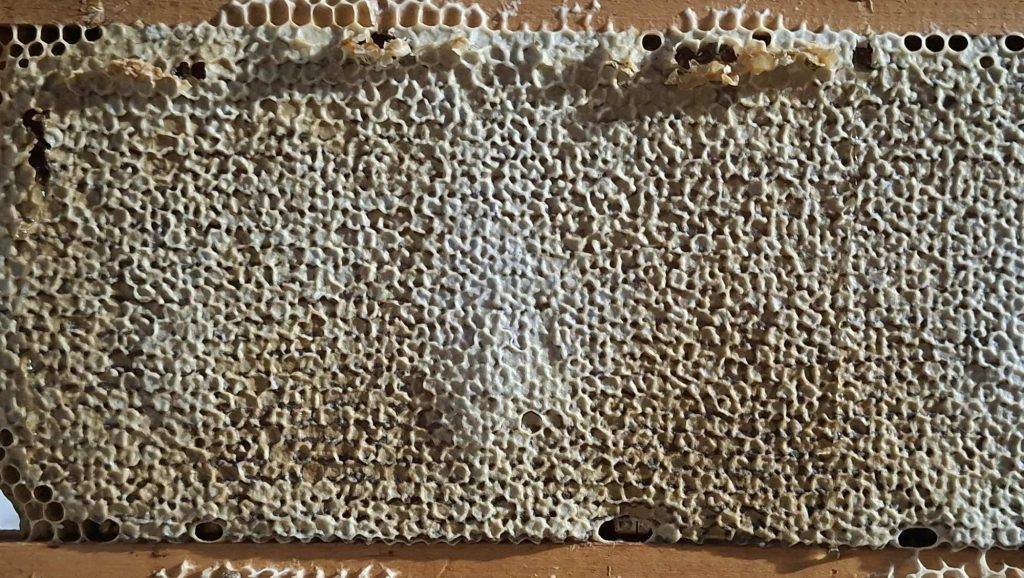
In May, beekeepers spend most of their time near the hives, checking whether the extraction process of hawthorn and acacia honey is ready. If the honey is not properly capped, it is left in the hives until it reaches full natural maturity and can be extracted in an eco-friendly manner. However, the honey should not be left too long after the capping process is complete, because it will start to harden and become difficult to extract.
The extraction process preserves the honey’s authentic flavor, aroma, and nutritional qualities, being done either manually or automatically, depending on the equipment available to beekeepers (the automated process makes the work easier and reduces the time required, but the purchase costs are higher).
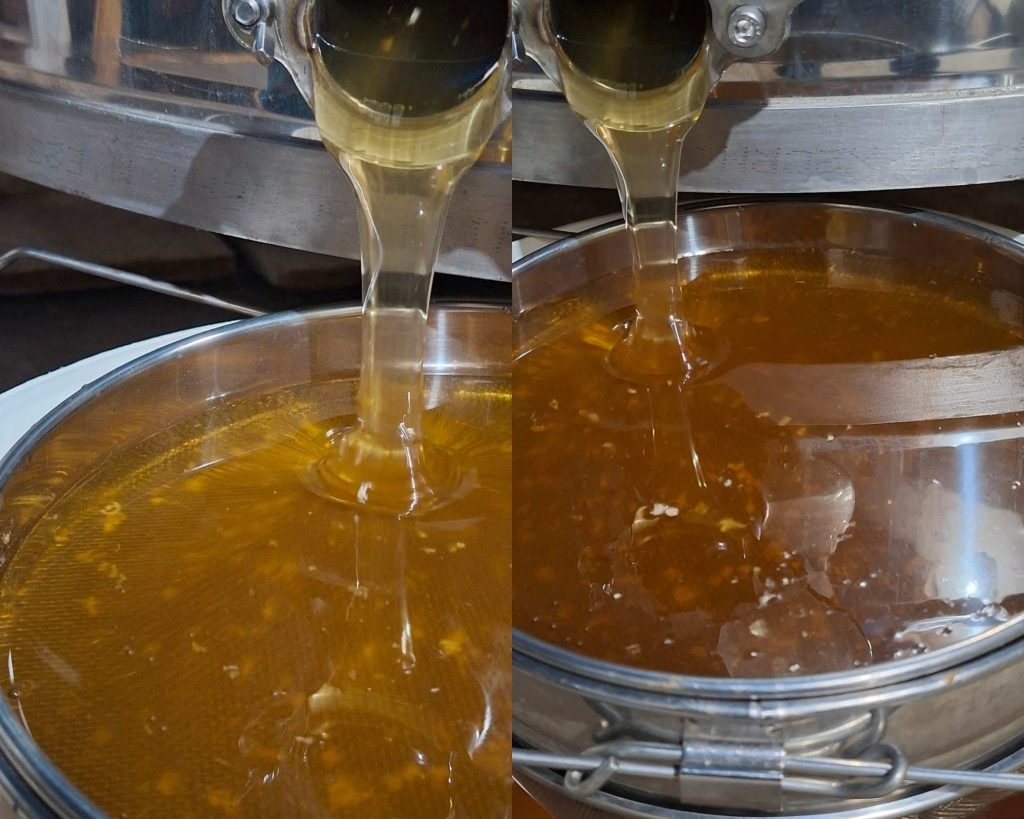
Freshly extracted hawthorn and acacia honey from May is a natural treasure created by bees and offered directly from nature’s first great harvest of the year. Every jar represents patience, hard work of both beekeepers and bees, and the beauty of spring in full bloom.
Sources:
- Berkheiser, K. (2019). Acacia Honey: Nutrition, Benefits, and Downsides. [online] Healthline. Available at: https://www.healthline.com/nutrition/acacia-honey?utm_source [Accessed 27 May 2026].
- Healthline. (2019). Acacia Honey: Nutrition, Benefits, and Downsides. [online] Available at: https://www.healthline.com/nutrition/acacia-honey.
- Althaiban, M.A. (2024). Investigation of hydroxymethylfurfural levels in commercial acacia honey for quality control: a systematic review. Discover Applied Sciences, 6(10). https://doi.org/10.1007/s42452-024-06216-2.
- Crăciun, M.E., Pârvulescu, O.C., Donise, A.C., Dobre, T. and Stanciu, D.R. (2020). Characterization and classification of Romanian acacia honey based on its physicochemical parameters and chemometrics. Scientific Reports, 10(1). https://doi.org/10.1038/s41598-020-77685-9.