Sustainable beekeeping is increasingly recognized as an essential tool for biodiversity protection and climate‑resilient landscape management. With global pollinator populations declining due to habitat loss, pesticides, parasites and climate‑related heat stress, the ecological and socioeconomic importance of bees has become clear. Bees support more than 35% of global crop production and play a key role in food security, medicinal resources and forest regeneration. Over 20,000 wild bee species exist worldwide, and more than 40% are threatened, underscoring the need for integrated conservation strategies.
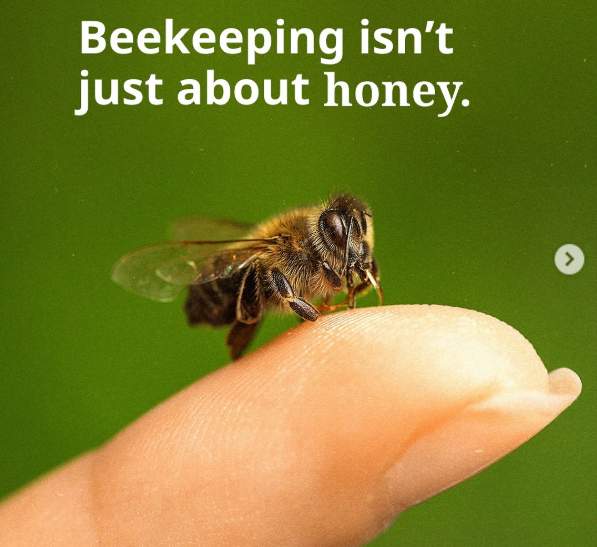
Figure 1. Adapted from UNESCO, Instagram post, https://www.instagram.com/p/DPdk8Nggp_s/
Sustainable beekeeping strengthens biodiversity by improving pollination across agricultural and forest landscapes and supporting the stability of native pollinator communities. Evidence from UNESCO biosphere reserves shows that community‑based beekeeping enhances ecosystem health and aids habitat restoration. The Women for Bees initiative, which has trained more than 237 women, further supports these outcomes by promoting responsible practices that protect native bee species and reinforce biodiversity.
Beekeeping also provides alternative livelihoods that reduce pressure on forests. Across the European Union, sustainable apiculture is increasingly integrated into restoration, rural‑development and climate‑adaptation policies, demonstrating how nature‑based income opportunities can support both communities and ecosystems. Examples from other regions, such as performance‑based conservation programs in Uganda that link beekeeping with tree planting and habitat restoration, further illustrate how local initiatives can contribute to global conservation goals. These approaches align with the Kunming–Montreal Global Biodiversity Framework by showing that community‑driven actions, whether in Europe or beyond, play a crucial role in achieving worldwide biodiversity targets.
Beekeeping further supports climate‑resilient forest management. The concept of sustainable bee forests in Germany shows how climate‑adapted tree species such as lime, sweet chestnut and robinia can supply nectar resources, enhance forest biodiversity and generate long‑term income through non‑timber forest products. These systems integrate ecological and economic objectives and illustrate that conservation and rural development can reinforce each other.
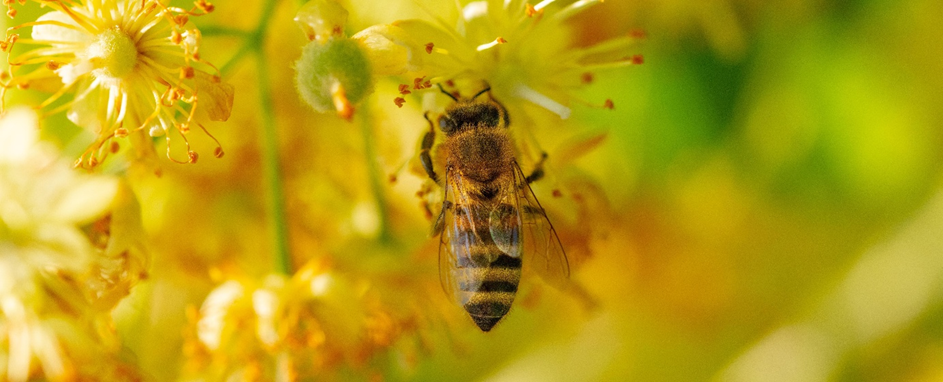
Figure 2. National Honey Board, “Bee Health and Sustainability,” https://honey.com/bees-sustainability/bee-health
Overall, sustainable beekeeping functions as a multidimensional conservation strategy. It enhances pollination, supports forest regeneration, diversifies rural incomes and strengthens community resilience. As biodiversity loss accelerates, integrating beekeeping into forest and landscape management offers a scientifically grounded and socially inclusive pathway to ecological restoration.
Sources:
- Conservation International. (2026). Beekeeping as a Conservation Tool. [online] Available at: https://www.conservation.org/learning/beekeeping-as-a-conservation-tool [Accessed 06 June 2026].
- UNESCO. (2024). UNESCO Protects Future Biodiversity Through Bees and Women. [online] Available at: https://www.unesco.org/en/articles/unesco-protects-future-biodiversity-through-bees-and-women [Accessed 06 June 2026].
- EU CAP Network. (2024). Inspirational Idea: Sustainable Bee Forest. [online] Available at: https://eu-cap-network.ec.europa.eu/news/inspirational-idea-sustainable-bee-forest_en [Accessed 06 June 2026].
- The Independent Uganda. (2024). Empowering Local Communities to Unlock Global Biodiversity Restoration. [online] Available at: https://www.independent.co.ug/empowering-local-communities-to-unlock-global-biodiversity-restoration/ [Accessed 06 June 2026].
- UNESCO. (2024). Sustainable beekeeping awareness post. [online] Instagram. Available at: https://www.instagram.com/p/DPdk8Nggp_s/ [Accessed 07 June 2026].
- National Honey Board. (2024). Bee Health and Sustainability. [online] Available at: https://honey.com/bees-sustainability/bee-health [Accessed 07 June 2026].